What is corten steel and why is it used outdoors?

Corten steel is a low-alloy steel that forms a stable rust layer, a patina, which protects the material from further corrosion. It needs no surface treatment and lasts for decades outdoors. The same material is used in bridges, sculptures and architecture worldwide.

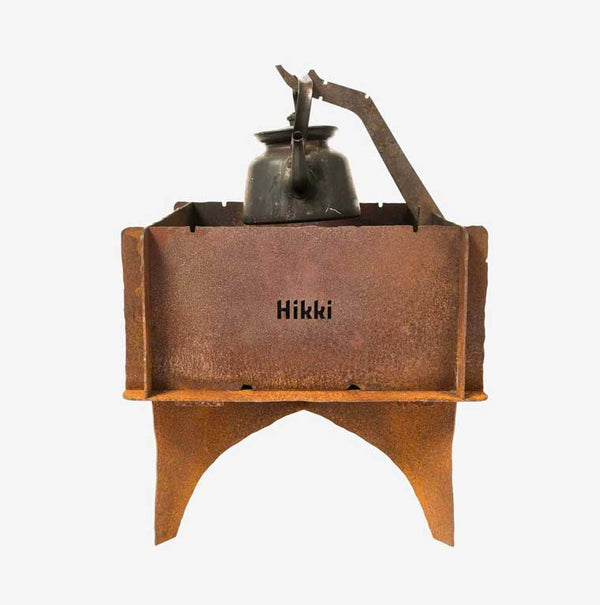
Lillhälla fireplace in corten steel

Corten steel

What is corten steel, how the patina works and what you need to know about the material

How does corten steel age and develop its patina?

Newly made corten steel is gray and shiny. If the corten steel is contained outdoors, it will change color to reddish brown before it darkens even more. It is the effect of rain and moisture that gives the steel its rusty surface and depending on the surrounding conditions, this normally takes about 1-5 weeks.

During the first year, while the rust layer is being formed, the product can leave stains of rust on other materials that come into contact with the steel, for example on wood. This can be brushed off with a metal brush.

After approximately 1 year will the corten steel hardly emit rust anymore

Why is corten steel better than regular steel for an outdoor fire pit?

Corten steel forms a protective rust patina that stops further corrosion. Regular steel keeps rusting until it is ruined. That is the whole difference.

Lillhälla is made from 3 mm corten steel. It handles rain, snow, frost and sun year-round without needing to be moved indoors, repainted or treated with any coating. The patina deepens over time and gives the fire pit a warm, living surface that belongs outdoors.

How much maintenance does Lillhälla require?

Basically nothing. As Lillhälla is made of corten steel, it can withstand being outside all year round. So the only maintenance you need to do is empty it of ash and clean the grill grate a little now and then.

How do I protect the aluminium in a wood-fired bathtub from corrosion?

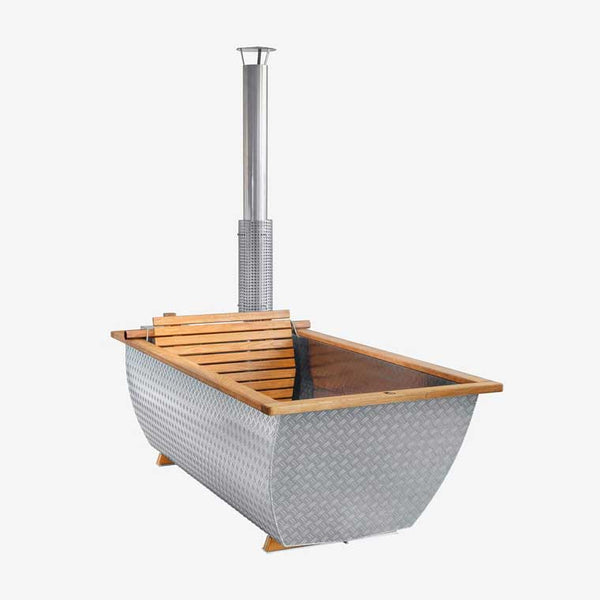
The Bohemen is made from marine-grade aluminium (alloy 5754) with a wooden interior. When the tub is new, the aluminium surface is shiny and more sensitive to corrosion. For that reason, do not keep the same water for more than 2 days during the first year - even with water treatment.

Over time, aluminium develops a natural oxide layer that protects it from corrosion - especially when it is exposed to outdoor weather while dry. This gives it both a characteristic look and long-term durability.

If you wish to keep the same water longer than 2 days, it must be continuously circulated through a filter pump to prevent discolouration on the submerged aluminium.

When not in use, leave the tub empty and dry outdoors to allow the aluminium to build its natural protective surface.

Why use aluminium instead of stainless steel for outdoor bathtubs?

We want the bathtubs to be easy to move and able to age developing their own beautiful character over the years. Over time, scratches and stains merge with the surrounding surface. Aluminium is attacked by oxidisation and when attacked, it forms a protective layer with the effect that the aluminum gets self-healing. Clean your wood-burning tub with soap and use only soft cloths or sponges that cannot scratch the plate.

When and how can you light the fire?

Bohemen has a stove inside the tub - so no open fire. If you do not know what applies to wood burning, contact your municipality's environmental and building office to find out what applies exactly where you live. Describe how you intend to fire. Keep in mind that the smoke from wood burning can be annoying to neighbors.

Is corten steel safe for cooking?

Yes. The protective rust layer on corten steel is stable and non-toxic. It does not flake and does not transfer harmful substances to food. Unlike painted grills where the coating can chip at high heat, corten steel is completely untreated.

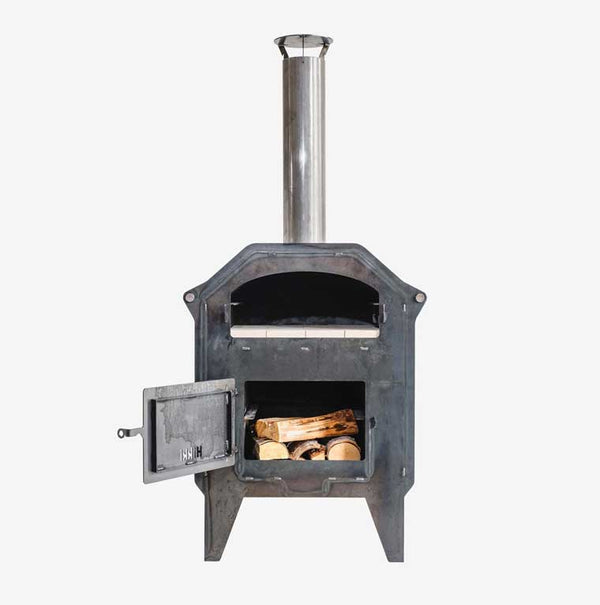
On our products like Faster Greta and Lillhälla, the surfaces in direct contact with food are made from stainless steel or cast iron. The corten steel forms the body, the firebox, the structure. The food never touches the patina.

The first time you light a fire, simply burn off any protective grease by running a proper fire without food. Then you are ready to go.

How long does corten steel last outdoors?

A long time. Corten steel at 3 mm thickness, which we use in our products, has an expected lifespan well beyond 15 years in a Nordic climate. And that is a conservative estimate.

The material is built to stand outside. Unlike ordinary steel that rusts through, or wood that rots, the patina protects the steel beneath it. The longer it stands, the more stable the layer becomes. No winter covers needed, no indoor storage.

Want to see what it looks like in practice? Many of our earliest products are still standing outside with their owners. A little darker in tone, a little more character. But fully functional.

Does corten steel need maintenance or cleaning?

Barely. That is one of the great advantages of the material. The patina looks after itself, and you do not need to paint, oil or treat the surface.

If you want to clean it, water and a soft brush will do. Never use a pressure washer or chemical cleaners. They can damage the protective rust layer.

Compared to painted or powder-coated products that flake over the years, or wooden tubs that need oiling and can crack, corten steel is about as close to maintenance-free as outdoor products get. Less time on upkeep, more time by the fire.

Can corten steel stain the surface underneath?

Yes, especially during the first months before the patina has stabilised. Rainwater running along the surface can leave brown marks on light stone, concrete or wooden decking.

A few practical tips. Place the product on a surface that can handle a little colour, or put a slate tile or similar underneath. Avoid placing it directly against a white-painted wall. And if stains do appear on stone or concrete, they tend to fade over time from sun and rain.

Once the patina has settled, after six to twelve months, the staining reduces significantly. It is part of the process. Like much else with corten steel, nature sorts it out for you.

Why corten steel and not stainless or painted steel?

All three materials have their place, but corten steel suits products that will stand outside and age with dignity best.

Stainless steel does not rust but scratches easily and shows every fingerprint. It has its place in our products too, for example the inside of Bohemen. But as an exterior surface in a garden it can feel cold and industrial.

Painted or powder-coated steel looks fine in the shop but flakes over the years, especially around fire pits where the heat is high. Then you have a surface that needs upkeep or looks worn.

Corten steel goes the other way. The surface changes, but for the better. Each season adds a little more depth to the colour. Nothing to repair, nothing to hide. It is steel that works the way nature does.

What is corten steel and how does the patina work?

Corten steel is an alloy containing copper, chromium and nickel that forms a protective rust layer instead of rusting through. The same principle that turns copper roofs green over the years. Nature does the work.

When exposed to the weather, an oxidation process begins. During the first months the surface shifts from grey to orange and then to a deep, warm brown. After roughly six to twelve months the patina has stabilised. It holds firm, does not flake and protects the steel beneath.

If the surface is damaged, say by a scratch, the patina repairs itself. The same process restarts and mends the mark. It is a material that grows more beautiful from standing outdoors, not less.

A material that nature improves

Corten steel was developed in the 1930s for railway carriages that stood outdoors in all weather. The engineers wanted a material that could manage without paint. They got one that looked better without it.

The patina forms naturally during the first months. Rain, sun and temperature changes accelerate the process. The surface goes from orange to deep brown-red. Each product gets its own expression depending on where it stands and what climate it is exposed to.

Hikki uses corten steel in the Lillhälla fire pit, the Faster Greta baking oven and parts of the Bohemen outdoor bathtub. It is a deliberate choice. The material requires zero maintenance. It withstands extreme heat and extreme cold. It grows stronger with time, not weaker.

It is not for everyone. Corten steel can stain light surfaces during the patina phase. Placing it on wooden decking or light stone requires protection underneath for the first weeks. But once the patina has stabilised, the surface is firm and stable.

Nature does all the work. We give it the right material to work with.