What are the rules for outdoor wood burning?

In most of Sweden, you may burn wood on your own property unless a fire ban is in effect. Local councils may have additional rules. Use dry wood, preferably birch or alder, and make sure the smoke does not bother neighbours. A spark-guarded fire pit reduces the risk of fire spreading.

"Två personer badar i ett uppvärmt utomhusbadkar och tittar in i en flammande eld bredvid."

About wood burning

Common questions about wood burning, regulations and environmental impact

What is the best wood to burn outdoors?

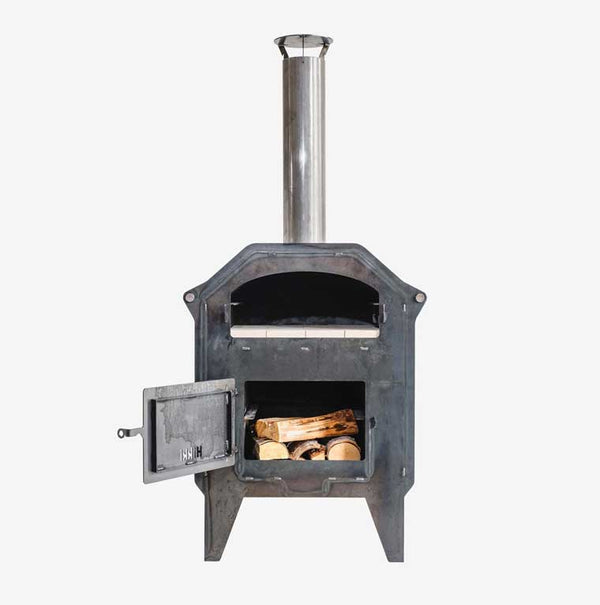
Birch is the most versatile firewood. It burns evenly with good heat and works for everything. Beech and oak give long-lasting embers, good for cooking. Alder gives a mild smoky flavour, nice in a baking oven like Faster Greta. Avoid softwood like spruce and pine for cooking. It creates soot and bitter taste. The most important thing, regardless of wood type, is that the wood is properly dried. Below 20 percent moisture. Dry wood gives more heat and less smoke.

What are the rules for outdoor fires in Sweden?

During dry periods, fire bans may apply, issued by the county administrative board or municipality. Even without a ban, you are always responsible for fire safety. On private land it is generally permitted to use wood-fired products like Lillhälla and Faster Greta all year round. But always check local regulations and SMHI fire risk forecasts before lighting the fire. It takes a minute and saves you worry.

How do I burn with as little smoke as possible?

Dry wood is the most important thing. Below 20 percent moisture. Moisture is the main cause of smoke. Light the fire from the top, it gives cleaner combustion. Make sure there is enough air. Do not overfill the firebox. Products like Lillhälla and Faster Greta are designed with efficient airflow that keeps smoke down when used properly. But the foundation is always the same: dry wood and enough air.

How do I avoid bothering neighbours with smoke from my fire pit?

Dry wood is the most important thing. Damp wood produces heavy smoke and bad smell. Use wood with below 20 percent moisture. Do not burn large amounts at once. Keep the fire moderate and add wood gradually.

Wind direction matters. Do not light the fire when the wind blows straight towards your neighbour's house or outdoor area. Use hardwood like birch, beech or oak instead of softwood. Softwood produces more smoke and sparks. With the right wood and the right wind, an evening fire need not be a problem for anyone.

When and how can you light the fire?

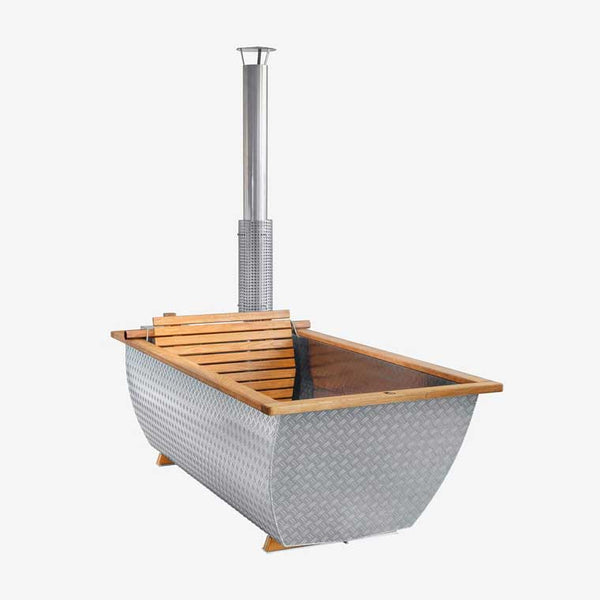
Bohemen has a stove inside the tub - so no open fire. If you do not know what applies to wood burning, contact your municipality's environmental and building office to find out what applies exactly where you live. Describe how you intend to fire. Keep in mind that the smoke from wood burning can be annoying to neighbors.

How is the environment affected by wood burning?

Wood and other types of bioenergy are renewable energy sources that are part of the natural cycle. Biofuels, usually wood, are renewed within a foreseeable time and when they burn, carbon dioxide that goes out via the flue gases is released. The forest grows and uses carbon dioxide to build up new biomass and the carbon cycle is closed.

Read more about firewood and wood burning in the excellent book "Ved" (available in Swedish) by author Lars Mytting.

We don't have access to wood - can we make a fire with briquettes or eco heat logs instead?
Yes, it works splendidly. Examples of websites that sell these products:

Briquettes- Jula

Eco heat logs- Amazon

Fire with responsibility

Wood has warmed the Nordics for thousands of years. It is renewable, local and affordable. But it requires respect.

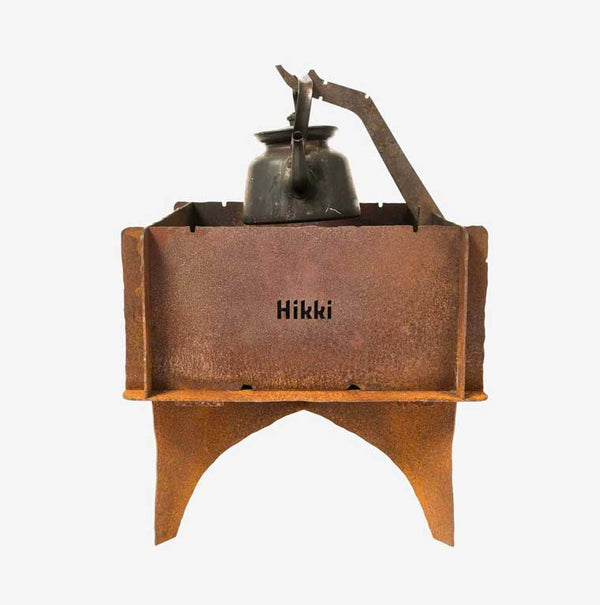
Hikki makes products designed for safe, considerate burning. Lillhälla fire pit has a raised construction that protects the surface underneath. Eldvakt spark guard prevents sparks from spreading. Faster Greta has an integrated chimney that directs smoke upward.

Dry wood is the most important thing. Damp timber produces more smoke, more soot and less heat. Birch, beech and alder work best. Split and stored for at least one year. You can tell by the sound: dry wood sings, damp wood hisses.

Wildfires across Europe have made burning a sensitive topic. That is fair. But the solution is not to stop burning. It is to burn properly. With dry wood, good equipment and respect for the wind.

Hikki believes in outdoor fire. We also believe in doing it properly.